

Understanding – Local Business Digital Marketing

Why Do Customer Retention Strategies Matter More Than Ever

In almost every industry, customer retention strategies now matter more than pure acquisition. Merely gaining the attention of anyone, let alone those that are your direct target audience, is so scattered and widespread now (no longer the Network TV and evening newspaper anymore). It truly is a Search Everywhere Optimization era now! The most profitable new leads are getting more expensive, competition is growing, and customers have more choices than ever. At the same time, research shows that keeping your existing customers is dramatically more profitable than constantly chasing new ones. Keeping them, once you’ve got ’em is the smart move in business these days.

According to Harvard Business Review, acquiring a new customer can cost between 5 and 25 times more than retaining an existing one. Harvard Business Review+1 And studies summarized by Bain & Company show that increasing customer retention by just 5% can boost profits by 25% to 95%. Accelo+1

So, if you’re serious about growth (and what company isn’t?), you can’t treat retention as a “nice-to-have.” You need a clear, research-backed playbook of customer retention strategies that every team can use.

This MMG article gives you exactly that: 24 practical, evidence-based tactics any business—B2B or B2C—can apply.

Gain the Edge

A customer retained, is one that doesn't have to find you

Key Actions & Strategies for Customer Retention

1. Build a Customer-Centric Culture From the Top Down

Retention starts with mindset. A customer-centric culture means:

  • Leadership regularly reviews retention and churn metrics.

  • Teams are rewarded for long-term satisfaction, not just short-term sales.

  • Policies are designed to be fair and transparent for customers.

Research on loyalty shows that customers stay longer when they perceive a brand as trustworthy, consistent, and fair. Harvard Business Review+1

Quick actions:

  • Make retention rate and CLV company-wide KPIs.

  • Share customer stories (good and bad) in team meetings.

  • Celebrate staff who save accounts, not just those who close deals.


3. Design a Frictionless Onboarding Experience

Many customers churn early because they never get to value.

Good onboarding should:

  • Show quick wins in the first session or first week.

  • Provide simple, guided steps (checklists, walkthroughs, tooltips).

  • Include welcome emails or messages that explain “what to do next.”

In subscription and e-commerce research, smoother onboarding is linked to higher early retention and long-term CLV because customers build habits quickly. GRIP Publications+1


5. Personalize Experiences Using Data and Segmentation

Personalization is no longer optional. Studies in e-commerce show that personalization can significantly improve engagement, conversion, and retention. GRIP Publications+1

Easy personalization wins:

  • Recommendation emails based on browsing or purchase history.

  • Dynamic website content for returning customers.

  • Different onboarding flows for different customer segments.

Even simple segments (new vs. repeat; low vs. high spenders) can make your customer retention strategies far more effective.


7. Offer Fast, Omnichannel Customer Support

Customers expect help wherever they are: email, chat, phone, social, or in-app.

Best practices:

  • Offer at least 2–3 support channels.

  • Keep tone consistent across channels.

  • Track response and resolution times.

Research into service businesses shows that faster, more responsive support is strongly correlated with higher retention and NPS. Forbes+1


9. Launch a Clear, Attractive Loyalty or Rewards Program

Loyalty programs are classic customer retention strategies, but they must be simple and genuinely rewarding.

Popular models:

  • Points for purchases

  • Tiered levels (Silver, Gold, Platinum)

  • Cashback or store credit

  • Perks like free shipping or early access

Studies highlight that loyalty members are more likely to repeat purchases and recommend brands to others—directly lifting CLV. Sobot+1


11. Use Proactive Churn Prediction and AI

Recent research shows that machine learning models, especially ensemble methods like Random Forest or XGBoost, can predict churn with very high accuracy. ScienceDirect+2ResearchGate+2

You can use AI to:

  • Identify customers at high risk of leaving.

  • Trigger special offers or outreach campaigns.

  • Predict which retention actions give the best profit impact.

In short, AI lets you prioritize the right customers, at the right time, with the right intervention—making customer retention strategies more efficient and profit-driven.


13. Provide Value-Adding Education and Content

Educational content keeps customers engaged between purchases.

Formats:

  • How-to guides

  • Webinars and workshops

  • Best-practice checklists

  • Industry reports and benchmarks

Content that helps customers get better results from your product directly supports retention and upsell opportunities. Saras Analytics+1


15. Close the Loop on Feedback With NPS and Reviews

Collecting feedback is good; closing the loop is better.

Good feedback systems:

  • Ask for NPS or CSAT regularly.

  • Tag comments by theme (price, support, features).

  • Respond to unhappy customers quickly.

  • Tell customers what you changed because of their feedback.

This approach—called closed-loop feedback—is widely recognized as a driver of satisfaction and loyalty. Harvard Business School+1

17. Reduce Friction in UX, Checkout, and Support Flows

Small annoyances add up and become reasons to leave.

Check for:

  • Confusing navigation

  • Long checkout forms

  • Hidden fees or surprise charges

  • Complex cancellation flows

Research on digital behavior shows that simpler, faster experiences lead to higher satisfaction and better retention, especially in e-commerce. GRIP Publications+1


19. Align Sales Promises With Delivery Reality

If sales overpromise and delivery underdelivers, churn is almost guaranteed.

Align by:

  • Having sales and operations review messaging together.

  • Documenting standard vs. premium offerings clearly.

  • Training everyone on what’s realistically achievable.

This alignment reduces “expectation gaps,” a known driver of dissatisfaction and churn in service and SaaS businesses. Harvard Business School+1

21. Continually A/B Test Retention Campaigns and Offers

Retention isn’t “set and forget.” It’s experimental.

Test:

  • Different email sequences.

  • Different discount types (percent vs. fixed amount).

  • Different outreach timing (before vs. after renewal).

A predict-and-optimize approach—combining predictive models with profit-based testing—has been shown to improve churn prevention campaign ROI. ScienceDirect+1


2. Use Retention Analytics Dashboards and Cohort Analysis

You can’t improve what you can’t see.

Create dashboards that track:

  • Retention and churn by cohort (e.g., signup month).

  • CLV by segment or product.

  • Effects of campaigns on churn.

Modern guides on customer retention analytics emphasize combining product, billing, and engagement data to spot problems early and test solutions. Saras Analytics+2GRIP Publications+2

Example comparison table:

Metric What It Shows Why It Matters for Retention
Retention Rate % customers staying Overall loyalty
Churn Rate % customers leaving Risk and revenue leakage
CLV Revenue per customer over time Budget for retention efforts
NPS / CSAT Satisfaction and advocacy Early warning signals
Repeat Purchase Rate How often do customers buy again Depth of relationship

4. Map and Optimize the End-to-End Customer Journey

Customers don’t think in departments—they experience one continuous journey.

Create a journey map that tracks:

  1. Awareness

  2. Consideration

  3. Purchase

  4. Onboarding

  5. Usage

  6. Renewal or repurchase

  7. Advocacy

Then identify friction points (confusing sign-up, slow support, poor billing) and fix them. Journey-based improvements are strongly linked to better retention and satisfaction. Saras Analytics+1


6. Deliver Consistent Product and Service Quality

No retention tactic can fix a broken product or unreliable service.

Focus on:

  • Clear quality standards and SLAs.

  • Regular product updates or improvements based on feedback.

  • Internal audits for response times, error rates, or defect rates.

A systematic review of CLV and retention models confirms that perceived quality is one of the strongest predictors of repeat purchase and long-term value. SpringerLink+1


8. Use Lifecycle Messaging and Timely Follow-Ups

Don’t only talk to customers when you want to sell. Use lifecycle messaging to stay relevant at each stage.

Examples:

  • “Welcome” series after signup.

  • “Getting the most from your purchase” guides.

  • “We miss you” messages when activity drops.

  • Renewal reminders before contracts end.

Data-driven lifecycle campaigns, informed by usage and purchase behavior, are a core part of modern retention playbooks. Saras Analytics+1


10. Create a Self-Service Knowledge Base

Many customers prefer to solve problems themselves.

A good self-service portal includes:

  • FAQ pages

  • Step-by-step guides

  • Short video tutorials

  • Troubleshooting checklists

Self-service reduces support costs and improves satisfaction, especially for tech-savvy customers, which supports retention at scale. Saras Analytics+1

12. Implement a Referral Program That Rewards Advocacy

Referrals help retention and acquisition at the same time.

Make it work by:

  • Offering rewards for both referrer and new customer.

  • Making referral links easy to share.

  • Promoting the program in emails and post-purchase pages.

Happy, long-term customers are your best growth channel; a referral program simply organizes and amplifies that behavior. DemandSage+1


14. Segment Customers and Offer Tiered Service Levels

Not all customers have the same value or needs.

Segment by:

  • Revenue or CLV

  • Product usage

  • Industry or use case

  • Engagement level

Then:

  • Offer higher-touch support to top-tier accounts.

  • Provide automated, scalable support to lower tiers.

This ensures you invest retention resources where they matter most. SpringerLink+2SpringerLink+2


16. Build a Community Around Your Brand

Community builds emotional loyalty, not just transactional loyalty.

Options include:

  • Private groups (Slack, Discord, Facebook, forum)

  • User meetups (online or offline)

  • Customer advisory boards

Communities make customers feel they belong, which reduces churn and increases word-of-mouth. Sobot


18. Offer Flexible Contracts, Terms, and Billing

Overly rigid contracts can drive good customers away.

Where possible:

  • Offer monthly and annual options.

  • Provide easy ways to pause or downgrade.

  • Be transparent about fees and renewals.

Flexibility reduces “forced churn” and builds trust, especially in subscription and service businesses. The Business & Financial Times+1


20. Surprise and Delight High-Value Customers

Unexpected positive experiences are remembered.

Ideas:

  • Handwritten thank-you notes

  • Small gifts for milestones

  • Free upgrades or priority support

You don’t need to spend a fortune; even small gestures signal that you see and value the customer, strengthening loyalty. Sobot+1


22. Integrate Retention Into Company-Wide KPIs

Finally, retention only sticks when it’s everyone’s job.

Ideas:

  • Include retention or churn metrics in regular performance reviews.

  • Set shared goals across marketing, sales, product, and support.

  • Report retention metrics to executives and the board.

When retention becomes a shared success measure, your customer retention strategies stop being “projects” and become part of how the business operates. Harvard Business School+1

The Economics of Customer Retention

Retention vs. Acquisition Costs

Multiple studies have found that:

  • Acquiring a new customer is 5–25x more expensive than retaining a current one. Harvard Business Review+1

  • Existing customers tend to spend 67% more than new customers. DemandSage

  • Around 65% of revenue often comes from existing customers, not new ones. DemandSage+1

In short: focusing on customer retention strategies gives you better ROI, more predictable revenue, and less marketing waste.

How Small Retention Gains Drive Huge Profit Growth

Recent summaries of retention data show that:

  • A 5% increase in retention can translate into 25–95% profit growth, depending on industry and margins. DemandSage+2Sobot+2

  • Companies that prioritize retention can be up to 60% more profitable than those that focus mainly on acquisition. ThinkImpact.com+1

Why does this happen?

  1. You keep recurring revenue longer.

  2. You reduce churn and replacement costs.

  3. Loyal customers buy more often and spend more per order.

  4. They also recommend you to others, reducing acquisition costs.

That’s why customer retention strategies are often called a profit multiplier. social.plus+1

Core Metrics for Measuring Customer Retention Performance

To manage retention, you need to measure it. Here are the key metrics every business should track.

Customer Retention Rate, Churn, and CLV
  • Customer Retention Rate (CRR)
    Percentage of customers you keep over a period.
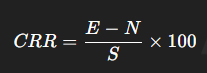
    where E = customers at end, N = new customers, S = starting customers.

  • Churn Rate
    Percentage of customers lost in a period. The lower, the better.

  • Customer Lifetime Value (CLV or LTV)
    The total revenue a customer is expected to generate during their relationship with your business. CLV is central to deciding how much to invest in retention. SpringerLink+2SpringerLink+2

NPS, CSAT, and Repeat Purchase Rate
  • Net Promoter Score (NPS) – How likely customers are to recommend you (0–10).

  • Customer Satisfaction (CSAT) – Usually a 1–5 or 1–10 rating after an interaction.

  • Repeat Purchase Rate – Percentage of customers who buy more than once.

Modern customer retention analytics combines these metrics with behavioral data to find at-risk segments and prevent churn. Saras Analytics+1

Key Takeaway

Customer retention strategies are essential for long-term business success. With the right mix of personalization, communication, quality, and automation, your business can dramatically increase loyalty and reduce churn. By applying these evidence-based strategies, you’ll elevate customer experiences, strengthen relationships, and create lasting growth.

Turning Customer Retention Into a Growth Engine

Customer retention isn’t magic—it’s a system.

When you combine:

  • Clear metrics (retention rate, churn, CLV),

  • Strong customer retention strategies (like personalization, proactive support, and loyalty programs), and

  • Modern tools (analytics and AI for churn prediction),

you create a growth engine that compounds over time.

Even small gains—a 5% retention lift—can deliver substantial profit increases.

If you start with just a handful of the 22 strategies in this blueprint, measure the impact, and keep iterating, you’ll steadily turn more of your customers into loyal, long-term advocates—and your bottom line will show

Customer Retention Strategies FAQs

1. What’s the single most important customer retention metric?

There’s no one perfect metric, but customer retention rate and churn rate are the main starting points. For more strategic planning, CLV (customer lifetime value) tells you how valuable each retained customer really is.


2. How often should a business review retention data?

At least monthly. High-volume or subscription businesses often track retention, churn, and usage weekly—especially during major launches or pricing changes.


3. Are customer retention strategies only relevant for subscriptions?

Not at all. Research shows retention is critical in e-commerce, professional services, media, and more. Average retention rates across industries are around 75%, and existing customers often generate most of the revenue.


4. What’s the fastest customer retention strategy I can implement?

Two of the quickest:

  1. Improving post-purchase follow-up (thank-you + helpful tips).

  2. Adding a simple “we’re here to help” check-in when activity drops.

Both can be set up with basic email automation and usually provide fast wins.


5. How does AI actually help with customer retention?

AI helps by:

  • Predicting which customers are likely to churn.

  • Segmenting customers by behavior and CLV.

  • Automating targeted campaigns for at-risk customers.

Recent research finds that ensemble AI models can deliver near state-of-the-art churn prediction accuracy, making interventions more efficient and profitable.


6. Where can I learn more about advanced customer retention strategies?

A useful starting point is the Harvard Business Review article “The Value of Keeping the Right Customers”, which explains the economics of loyalty and retention in detail.

You can read it here:
Harvard Business Review – The Value of Keeping the Right Customers

Action Items:

  • Determine Your Focus & Commitment

  • Give Us at MediaBus Marketing a Call

  • Begin Getting Your Local in Shape with Us