

The Debate Around AI-Generated vs. AI-Inspired
The conversation around AI-Generated vs.AI-inspired has moved far beyond novelty. The content isn’t just technical. It’s cultural, economic, and deeply human. It now affects trust, brand equity, compliance, education, and competitive advantage. Organizations that misunderstand this distinction often deploy AI in ways that undermine their own credibility.
As artificial intelligence becomes more powerful, businesses, creators, educators, and policymakers are asking the same question: where does automation end and creativity begin? At its core, this is not a technology debate. It’s a decision-making framework. One path emphasizes automation and efficiency. The other emphasizes augmentation and insight. Both have value, but they are not interchangeable.
In the first moments of this discussion, it’s important to clarify something simple. AI is not replacing imagination. Instead, it’s reshaping how ideas are formed, expressed, and shared. Still, confusion remains. Many people treat AI-generated and AI-inspired content as the same thing. They’re not.
Understanding AI-generated verses AI-inspired allows leaders, creators, and educators to use AI intentionally, rather than reactively. It helps you make smarter decisions, avoid ethical pitfalls, and create work that actually connects with people. And yes, it can protect your brand too.
What AI-Generated Content Really Is
AI-generated content refers to material produced entirely by artificial intelligence systems with minimal or no human creative input beyond prompts, constraints, or parameters.
How AI-Generated Content Works
These systems operate on probability. AI-generated systems rely on large datasets, statistical modeling, and pattern recognition. When given a prompt, the system predicts what comes next based on probabilities. It doesn’t “understand”, or awareness, judgment, or lived experience behind the output; meaning the way humans do. It calculates the likelihood.
This makes AI-generated content fast, scalable, and consistent. But it also makes it dependent on existing data patterns, depending on how language works, not why meaning matters.
Core Technologies Behind AI Generation
-
Large Language Models (LLMs)
-
Neural networks
-
Natural language processing
-
Generative adversarial networks (GANs)
-
Diffusion models
Strengths and Limitations of AI Generation
Strengths
-
Exceptional speed
-
Scalable production
-
Consistent formatting
-
Cost efficiency
Limitations
-
Shallow originality
-
Weak emotional nuance
-
Risk of factual drift
-
Dependence on training data
These technologies allow machines to generate text, images, music, and even video autonomously. For a deeper technical overview, you can reference this external resource from IBM on generative AI:
https://www.ibm.com/topics/generative-ai
Defining AI-Inspired Content
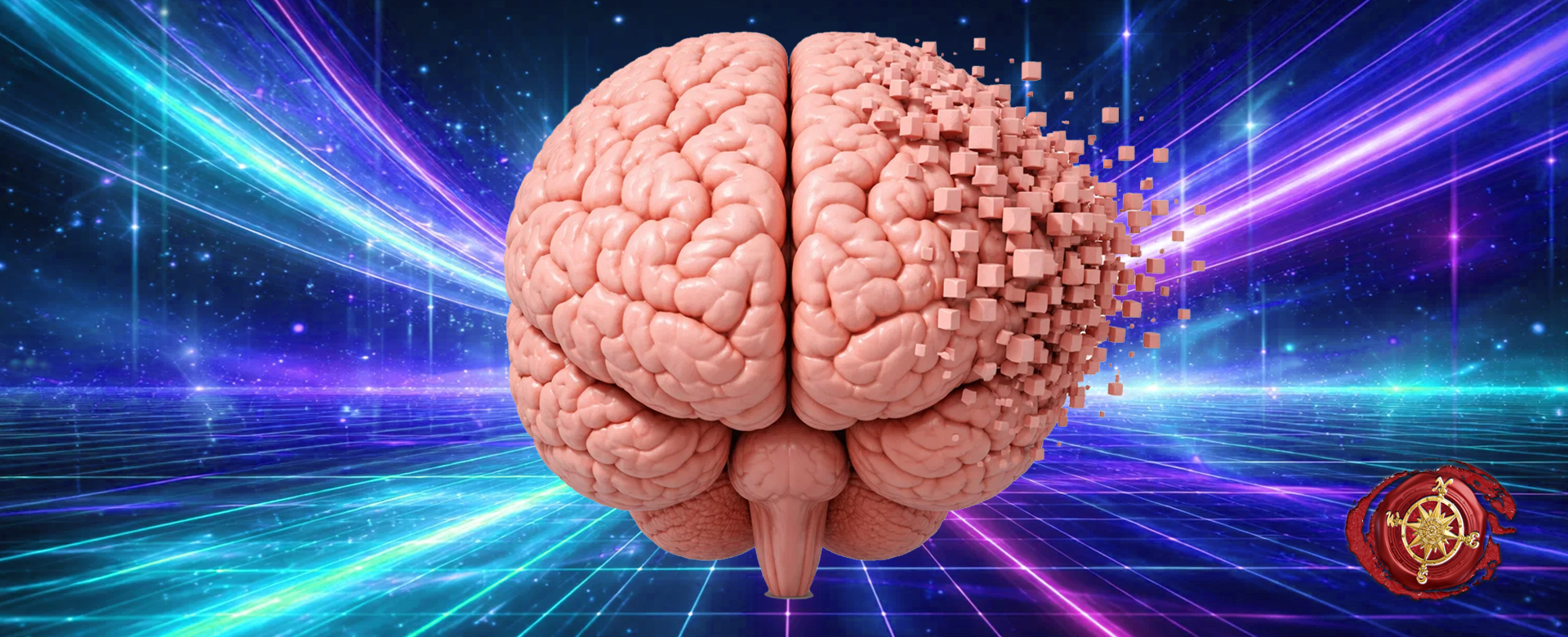
AI-inspired content is fundamentally different. Here, humans remain the primary creators. It reverses the relationship. AI acts as a catalyst, assistant, or creative partner rather than the author. Humans lead, AI supports.
Human Creativity Enhanced by AI
In AI-inspired workflows, humans make the final decisions. They shape tone, emotion, intent, and meaning. AI may suggest ideas, variations, or improvements, but it does not replace judgment.
The Human-in-the-Loop Model
In this model, AI functions as:
-
A research assistant
-
A brainstorming partner
-
A pattern detector
-
A refinement tool
The human remains responsible for judgment, ethics, and intent. AI accelerates thinking but does not replace it.
Tools That Support AI-Inspired Creation
-
Idea generation tools
-
Grammar and clarity assistants
-
Design inspiration engines
-
Data analysis platforms
Intent is the defining difference. AI-inspired content reflects purpose, values, and strategy. It carries a point of view. That’s why it resonates more deeply with audiences. In short, AI-inspired creation uses machines to sharpen human thinking, not substitute it.
Risks and Pitfalls
Common Risks, Pitfalls and Misunderstandings
-
Assuming AI-generated equals originality
- Thinking AI-inspired is less efficient
-
Believing audiences cannot tell the difference
-
Overestimating cost savings without reputational cost
Misuse of AI often creates short-term wins and long-term erosion at the cost of trust, reputation, and compliance.

The 7 Key Differences
AI-Generated vs. AI-Inspired in Education
Education highlights the contrast clearly. AI-generated essays can complete assignments. AI-inspired learning tools help students think better.
The goal of education isn’t output. It’s understanding. That’s why educators increasingly favor AI-inspired systems.
AI-Generated vs. AI-Inspired in Marketing
Marketing depends on trust. Overuse of AI-generated messaging risks flattening brand voice.
AI-inspired strategies allow marketers to analyze data faster while preserving authenticity. That balance drives conversions and loyalty.
AI-Generated vs. AI-Inspired in Art and Media
Art reveals the limits of automation. AI-generated art can impress visually. AI-inspired art moves people emotionally.
The difference lies in intention. Machines don’t intend. Humans do.
Other Articles You May Enjoy:


Your Next Steps…
Choose the Right Model for Your Organization
-
Is trust central to our mission?
-
Do we need scale or substance?
-
Where must humans remain accountable?
Use AI generation for efficiency. Use AI inspiration for influence.
The Future Belongs to the Hybrid Thinker
The real lesson of AI-generated verses AI-inspired is balance. Automation without intention leads to noise. Intention without leverage leads to inefficiency.
The future belongs to those who combine machine speed with human wisdom. AI will continue to evolve, but meaning, trust, and responsibility will always remain human work.
Use AI to move faster. Use humanity to move forward. Connect MediaBus Marketing to do that with your business
AI-Generated vs. AI-Inspired FAQs
1. Is AI-generated versus AI-inspired just semantics?
No. It defines who leads creation: machines or humans.
2. Is AI-generated content bad for SEO?
Not inherently, but low-quality AI-generated content can hurt rankings if it lacks value or originality.
3. Can AI-inspired content still be efficient and scale?
Yes. It improves decision speed without removing oversight. Workflows scale insight, not just output.
4. Does AI-generated content harm credibility?
Only when used without human review or strategic intent.
5. Which is better for branding?
AI-inspired content consistently performs better for brand trust and differentiation.
6. Which approach is safer legally?
AI-inspired content carries lower legal and ethical risk.
7. Can both approaches coexist?
Absolutely. Hybrid models are the most effective.
8. Will AI replace human creativity?
No. AI amplifies creativity but does not replace human judgment or intent.
9. Will AI eventually replace AI-inspired workflows?
Again, unlikely. Human judgment remains irreplaceable.